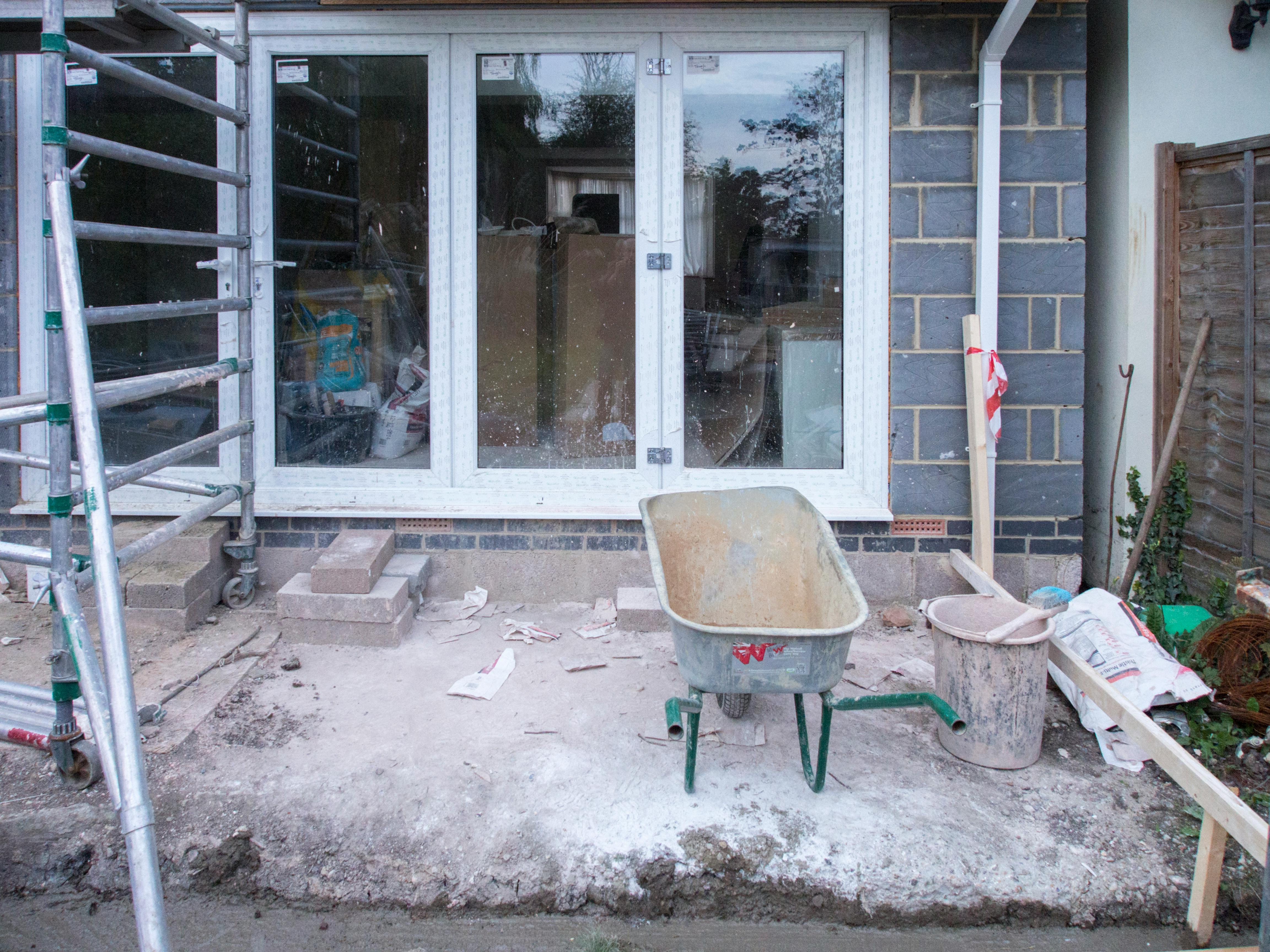
If your builder is ignoring defects or refusing repairs, you have four options: (1) send a formal written notice with a specific response deadline, (2) contact your state building authority (QBCC in QLD, NSW Fair Trading in NSW), (3) apply for free dispute resolution, or (4) apply to the relevant tribunal (QCAT, NCAT, or VCAT). Document everything in writing before taking any formal step.
You’ve discovered defects in your new home. You’ve contacted your builder. And now they’re not returning calls, disputing obvious problems, or telling you the issues are “normal” and not their responsibility.
This is more common than it should be. The good news: Australian law gives homeowners strong protections. The less good news: exercising those rights requires a clear, documented process.
This guide tells you exactly what to do, step by step, when your builder refuses to address defects.
First: understand your rights
Before escalating, it helps to be clear about what you’re entitled to. Under Australian law, your builder has obligations during:
- The defects liability period (DLP): Minor defects discovered after handover. Typically 13 weeks to 12 months depending on your contract.
- Statutory warranty periods: Major and structural defects are covered for 6–10 years depending on your state. Waterproofing is typically classified as a major defect in all states.
These rights come from your contract, from state building legislation, and from Australian Consumer Law (ACL). They can’t be signed away.
If a builder says “we don’t cover that” or “that’s within normal building tolerances” for something that clearly isn’t normal — you have the right to challenge that assessment.
Step 1: Document everything before you do anything else
Before you make any formal move, make sure your documentation is complete. For each defect:
- Multiple photographs from different angles
- A written description (specific: which room, which wall, how large, when you first noticed it)
- The date you discovered it
- Whether it’s progressed or worsened
Checka is the fastest way to build this record — log each issue in the app and you have a timestamped, photo-backed defects report ready to export at any point.
This step is critical. Without solid documentation, it’s your word against your builder’s.
Step 2: Send a formal written notice
If verbal requests haven’t worked, it’s time to write. An email is sufficient — it’s dated, delivered, and easy to keep.
Your notice should include:
- A clear description of each defect (or attach your Checka report)
- The date you first reported each issue (or discovered it)
- Reference to the relevant warranty period (DLP, statutory warranty)
- A specific, reasonable timeframe for response: “Please confirm in writing by [date] when this work will be rectified.”
- A statement that if no response is received, you will escalate to the relevant authority
Keep this professional and factual. Don’t threaten legal action prematurely — work through the formal process first.
Give the builder 14 days for minor defects, and ask for a prompt response for anything affecting habitability or safety.
Step 3: Follow up in writing
If the deadline passes without a response or clear commitment:
- Send a follow-up email noting that your original notice dated [X] has not been acknowledged
- State that you are now preparing to escalate to the relevant state building authority
- Attach a copy of your original notice and the defects report
This creates a paper trail that shows you gave the builder reasonable opportunity to respond.
Step 4: Contact your state building authority
This is where many homeowners get results without going to tribunal. Australian building authorities have significant power to compel builders to rectify defects — and they’re free to access.
| State | Authority | Website |
|---|---|---|
| Queensland | QBCC (Queensland Building and Construction Commission) | qbcc.qld.gov.au |
| New South Wales | NSW Fair Trading | fairtrading.nsw.gov.au |
| Victoria | DBDRV (Domestic Building Dispute Resolution Victoria) | dbdrv.vic.gov.au |
| Western Australia | Building Commission WA | buildingcommission.wa.gov.au |
| South Australia | Consumer and Business Services | cbs.sa.gov.au |
| ACT | ACT Planning | planning.act.gov.au |
| Tasmania | Consumer, Building and Occupational Services | cbos.tas.gov.au |
When you contact the authority, you’ll typically need:
- Your building contract and contact details of the builder
- A description of the defects and when they were discovered
- Evidence of your attempts to resolve the matter (your written notices and any responses)
- Your defects report (export from Checka)
Most authorities offer an inspection service — an independent building inspector will assess the defects and issue a direction to the builder if warranted. In Queensland, the QBCC can issue a direction to rectify that the builder is legally required to comply with.
Step 5: Dispute resolution
If the authority’s process doesn’t resolve the matter — or if your state’s authority refers you to a tribunal — you’ll go through dispute resolution. In Victoria, the DBDRV provides free dispute resolution before any tribunal proceedings. Other states have similar processes.
At this stage, your Checka report, your written correspondence, and any authority inspection reports are your primary evidence.
Step 6: Tribunal if needed
If dispute resolution fails, the matter goes to tribunal:
- Queensland: QCAT (Queensland Civil and Administrative Tribunal)
- New South Wales: NCAT (NSW Civil and Administrative Tribunal)
- Victoria: VCAT (Victorian Civil and Administrative Tribunal)
- WA: SAT (State Administrative Tribunal)
Tribunal processes are formal but designed to be accessible to self-represented parties. You’ll need to:
- File your application with the relevant tribunal
- Attend a directions hearing
- Exchange evidence with the other party
- Attend a final hearing where the matter is decided
The tribunal can order:
- The builder to carry out rectification works
- Payment of compensation (for your costs to have the work done by someone else)
- Both
For significant defect claims, consider engaging a building lawyer. Many offer a free initial consultation and can advise on whether your claim is strong before you commit to the process.
What if the builder is insolvent or has disappeared?
If your builder has gone under — died, become insolvent, or had their licence suspended — your protection comes from home warranty insurance (called different things in different states). This insurance is mandatory for residential building work over certain thresholds.
To make a claim, you’ll need your certificate of home warranty insurance (provided before your contract was signed) and evidence of the defects. Contact the insurer directly; the building authority in your state can help if you’re unsure who issued the policy.
Common mistakes to avoid
Don’t let the builder make repairs without documenting the original defect first. Once it’s been “fixed,” it’s much harder to prove what was there.
Don’t pay for rectification work yourself and then try to recover costs, unless you’ve been unable to get the builder to act and have followed the formal process. Going straight to your own tradesperson weakens your position.
Don’t miss the warranty clock. For major defects, you typically have 6–10 years from completion — but you need to have discovered and reported the defect to start the process. Log issues as soon as you find them.
Don’t rely on verbal communication. Every significant conversation with your builder should be followed up in writing.
Key Takeaways
- Document every defect with photos and descriptions before you make any formal move — without evidence, you have very little
- Send formal written notice to your builder with a specific response deadline before escalating
- State building authorities (QBCC, NSW Fair Trading, VCAT, etc.) are free to access and can compel builders to act
- Tribunal processes are accessible to self-represented parties for smaller claims
- If your builder is insolvent, home warranty insurance (mandatory in most states) protects you
- Always follow up verbal conversations with your builder in writing — your documentation is your protection
Free to download
Stop losing track of defects.
Checka helps you capture issues, stay organised, and arrive at handover with a complete record of your build.